
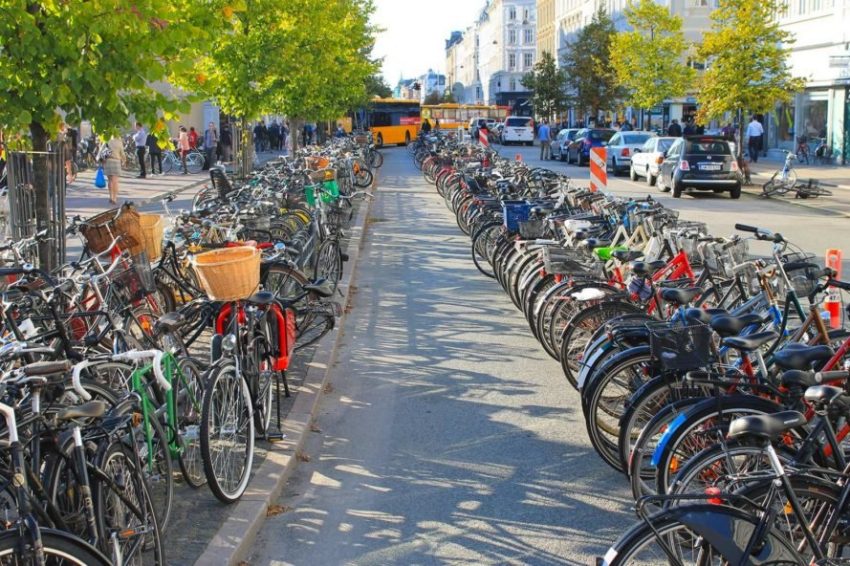
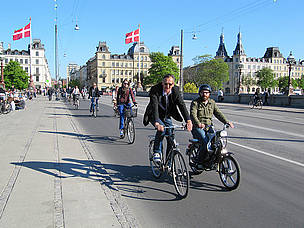
Green transportation is a growing trend worldwide. Next semester I will be studying abroad in Copenhagen, one of the leading cities in sustainable living and especially in sustainable transportation. More people use bicycles to get around the city than cars. Actually there are more bikes than people in Copenhagen. Its “watch out for the bikers” in this Danish city, not the cars!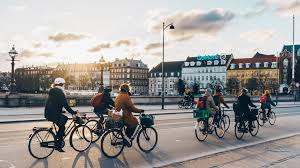 Copenhagen aims to achieve zero carbon emissions by 2025. The article “Copenhagen’s vision for sustainable transport” interviews the city’s mayor for environmental and technical, Morten Kabell, affairs. The mayor believes the city is also integrating climate change into its plans for resiliency and sustainability. By 2019, all public buses and ferries in the city will be powered by electricity, no diesel fuel.
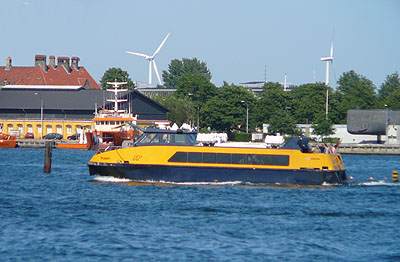 The problem is how costly this is going to be for the city. For entrepreneurs, this can pose an opportunity to find more cost efficient alternatives while still meeting the city’s goal to not use diesel fuel. Between 2019 and 2023, two-billion-dollar metro lines will open and thus Copenhagen should be considered an attractive place for entrepreneurs to present their ideas to the government as it is clearly serious about its sustainable goals. The article further describes how open the city is to testing other smart city solutions like the street lab which measures humidity in plants to alert gardeners to water the plants or not. Furthermore, the city is investing in technology that is considered adaptive traffic control which allows traffic to be more efficient and move 30% faster through the streets. Moreover, citizens in Copenhagen take their role in shaping their city seriously. The residents of Copenhagen are eager for more green and sustainable projects and this is especially important and key for potential entrepreneurs because they will know they have a market and customer basis. AI can be used for monitoring energy use but it could also potentially be used to find other innovative solutions. The market for sustainable transportation and energy use is growing and provides a great opportunity for entrepreneurs. The final remark of the article which I think is key is how important it is for Copenhagen residents to have a say in how everything looks and feels to them because they are ultimately the people that have to live with these changes in the city. To ensure this, entrepreneurs need to find out specific needs or desires of copenhagens and make sure their product or design fulfills their expectations while also ensuring its protecting the environment. Sustainable development ideas in Copenhagen can be brought back to the US but the layout and infrastructure of America is vastly different than Europe and thus poses a new set of problems for entrepreneurs. A total revamping of the transportation system here may be too drastic and a solution in the middle is needed.
